
A bathroom remodel is a major investment. Before you finalize the layout, move plumbing, choose a shower, or start construction, make sure the space will work for you now — and for the way you may move in the future.
Stay At Home Texas adds a different kind of expertise to your remodel. Our Doctor of Physical Therapy-led Home Mobility Planning™ looks at how you move, how you use the space, and which design decisions may matter long after the construction is finished.
The goal is simple: make smarter decisions before you spend the money, avoid costly mistakes that are difficult to undo, and create a bathroom that works beautifully for the long term.
Remodeling Your Bathroom? Get It Right Before You Spend.
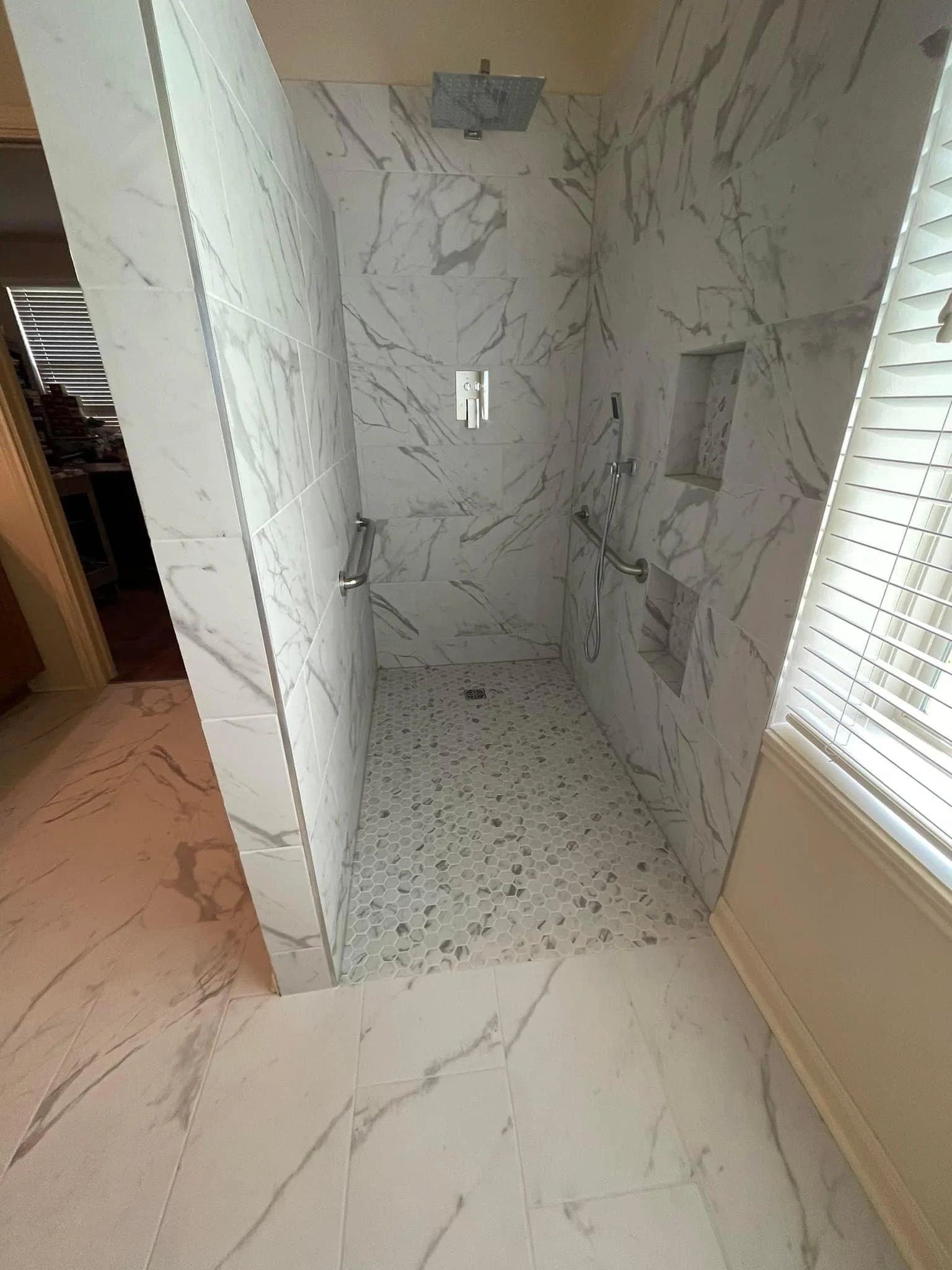
As Seen on FOX 26 Houston: See why expert guidance matters before making major changes to your bathroom.
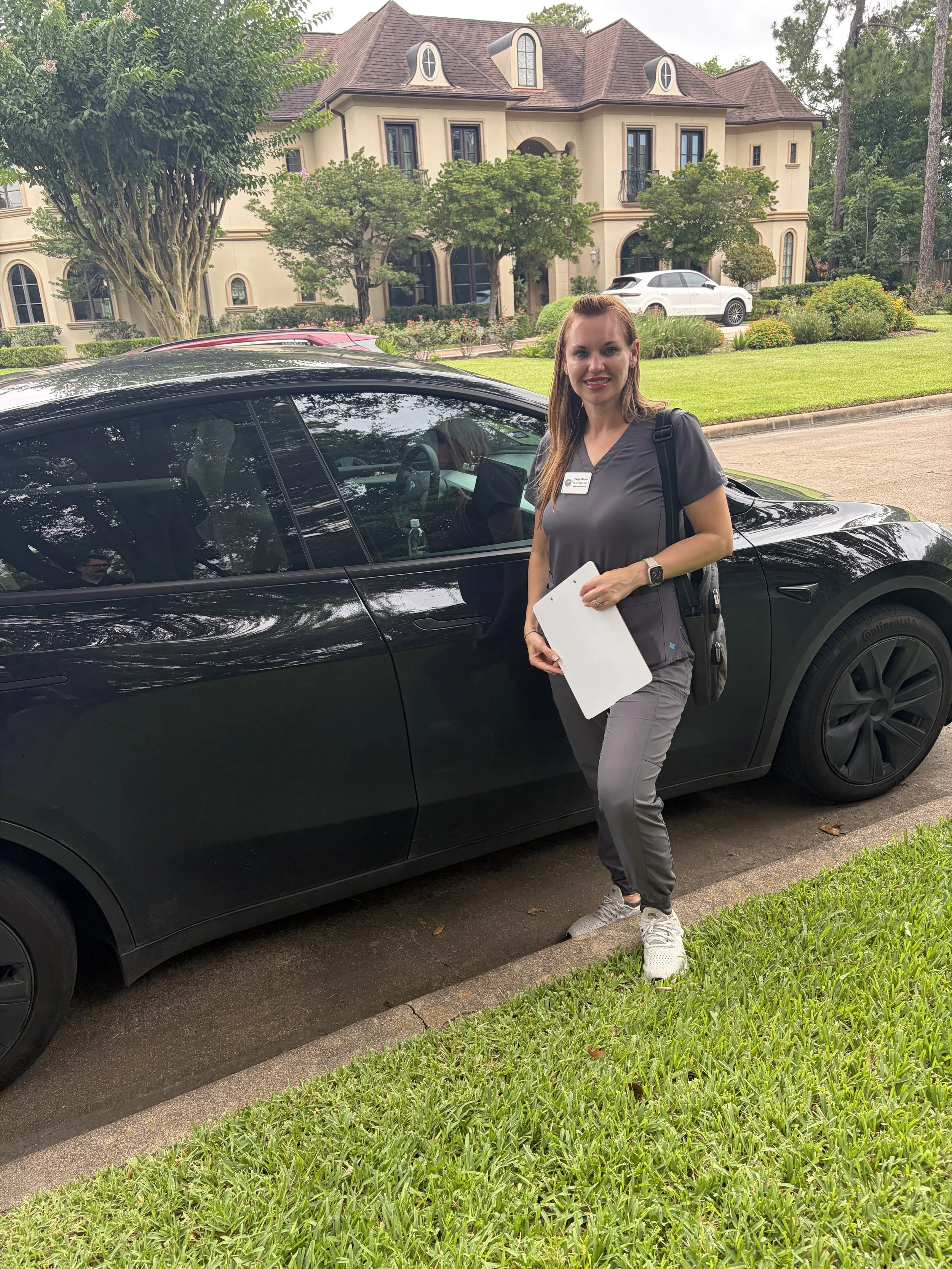
We Don’t Build Bathrooms. We Help You Get the Layout Right.
Stay At Home Texas is a consulting company, not a contractor.
We do not swing hammers, sell products, or make money from the construction.
Our role is to be your advocate before the expensive work begins.
We help you think through how the bathroom should be laid out to support you now, you later, and you if life were to suddenly change.
That may mean looking at shower entry, toilet placement, clearances, movement through the space, future equipment, support needs, or design choices that would be difficult and costly to change once construction is complete.
You are already investing in the remodel.
We help you make sure the layout is worth that investment before you spend the money.
You are investing hard-earned money into your home. That remodel should support more than how the bathroom looks today.
It should work for you now, for your partner, and for the way life may change over time.
That is where Stay At Home Texas adds value.
We understand how people move through a bathroom — stepping, turning, reaching, transferring, using support, and navigating the space when mobility changes.
We use that knowledge to help you make smarter layout decisions before construction begins, so the money you spend creates a bathroom that can keep supporting you for years to come.
Invest in a Bathroom That Works for Every Stage of Life
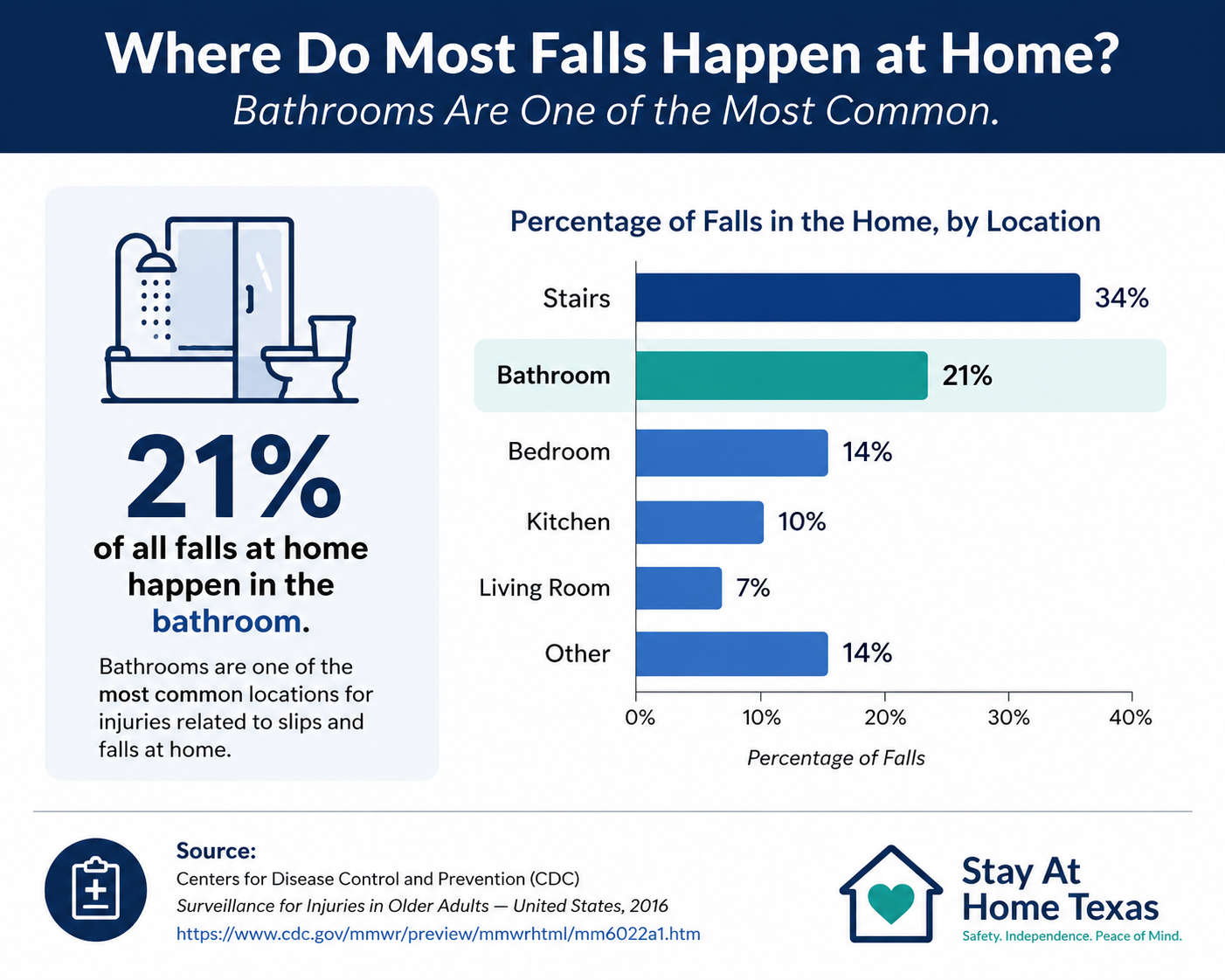
We Help You Ask the Right Questions Before You Spend the Money
Once construction starts, the expensive decisions are already being made.
Our Home Mobility Planning™ expert helps you ask the right questions before walls move, plumbing changes, tile goes in, and the layout becomes difficult to undo.
How should the space support you now?
How should it work for your partner?
What happens if mobility changes, you need equipment, or life suddenly looks different?
Which decisions today could prevent another expensive remodel later?
You are already spending the money.
Get the layout right now.
Why Stay At Home Texas?
Because we consult for you.
Our job is not to sell the remodel. Our job is to help you make sure the remodel is right before you spend the money.
Your consultation is led by a Doctor of Physical Therapy with 16 years of experience working inside people’s homes and seeing firsthand how layout, mobility, recovery, equipment, and life changes affect the way a bathroom actually works.
We bring that experience into your remodeling plans.
We help you think beyond “make it look beautiful” and consider how the space should support you now, your partner, your future self, and you if life suddenly changes.
You are already making a major investment.
We help you make smarter decisions now so you are less likely to spend thousands fixing the wrong ones later.
Before You Finalize the Design, Understand Your Options
A bathroom remodel is too expensive to build around guesses.
Stay At Home Texas brings a Doctor of Physical Therapy into your home to understand how you move, identify what the space may need now and later, and help you make informed decisions before construction begins.
Prefer to talk? Call or text (713) 364-5063
If we cannot help you, we will connect you with someone who can.